
Table of Contents
Dry-needling is a natural way to relax muscles and stimulate the release of pain-killing hormones by inserting ultra-thin needles into specific points on the body. Research shows that dry needling is able to relieve pain in as many as 50% of back pain patients and 70% of headache patients.
Why Do Chiropractors Perform Dry-Needling?
Dry-needling is an excellent complement to chiropractic treatment because the effects of adjustments are longer-lasting when muscles are relaxed.
Research has shown that traditional dry-needling points correspond well with muscle trigger points, which are small, tender “muscle knots” that generate pain when palpated. When a needle is inserted into these points, it stimulates tissue healing and the release of endorphins. The Chinese have far more than 2,000 years of experience in using dry-needling therapy. In modern times, it is being used as a substitute for analgesics during certain surgeries because of its incredible potency in pain relief.
Many patients find dry-needling therapy helpful for:
Neck, shoulder, and back pain
Muscle tightness and stiffness
Tension headaches and migraines
Sports-related injuries
Joint and soft tissue pain
Because dry-needling is performed by qualified chiropractors at our clinic in Hong Kong, patients can rest assured that the treatment is both safe and effective when carried out as part of a tailored care plan.
How is a Dry-Needling Treatment Performed?
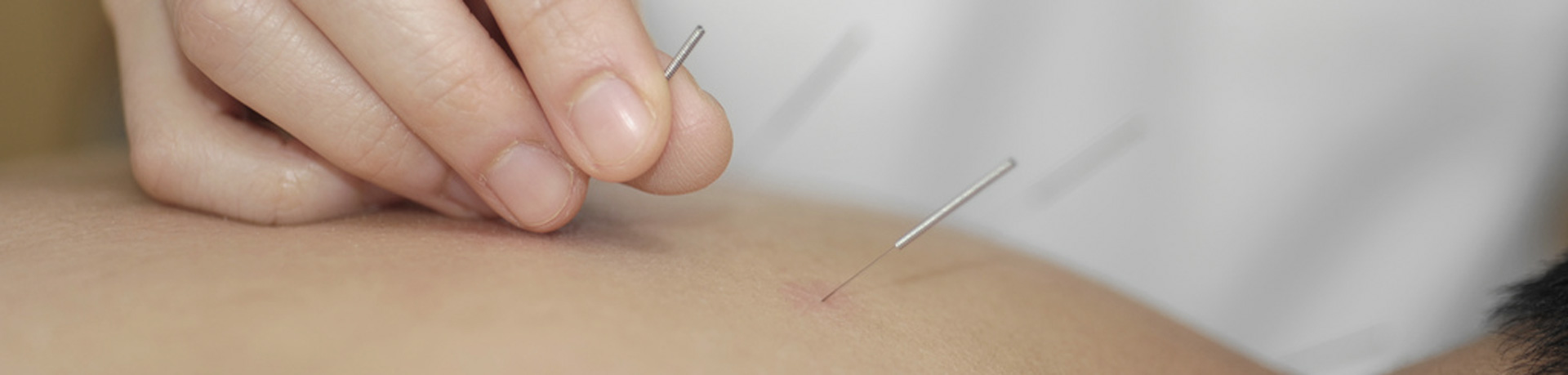
After carefully examining and diagnosing the condition, the most effective needling points are identified. The site is disinfected with an alcohol swab, then a sterile, disposable needle is inserted. During the course of treatment, the needle(s) may be manipulated by light tapping and twirling motions.
Most patients describe the treatment as tolerable, with a noticeable sense of muscle relaxation afterwards.
A typical dry-needling session in Hong Kong lasts between 10-15 minutes, depending on the area being treated and the severity of the condition. Many patients experience relief after just one or two sessions, though chronic conditions may require several visits for optimal results.
After the session, mild soreness may occur, similar to post-exercise stiffness, which usually resolves within 24–48 hours. Gentle stretching, hydration, and rest can help the recovery process.
Benefits of Dry-Needling in Hong Kong
Patients who receive dry-needling in Hong Kong often report significant improvement in both pain relief and overall physical function. The key benefits include:
Reduced muscle tension: Helps release tight and knotted muscles.
Improved circulation: Enhances blood flow and oxygen delivery to the affected area.
Accelerated recovery: Speeds up the body’s natural healing response.
Enhanced chiropractic outcomes: Works synergistically with spinal adjustments for long-term relief.
Drug-free pain relief: Provides a safe, natural alternative to medication.
When integrated into a personalised treatment plan, dry-needling can play a crucial role in restoring comfort, mobility, and quality of life.
Is Dry-Needling Safe?
When performed by trained professionals such as our licensed chiropractors, dry-needling in Hong Kong is a safe and minimally invasive procedure. All needles used are sterile and single-use to prevent infection, and every treatment is carried out following strict hygiene protocols.
Some patients may experience mild soreness or temporary fatigue after treatment, which is a normal and positive sign that the muscles are responding. If you have any concerns or medical conditions, your chiropractor will discuss them with you beforehand to ensure the treatment is suitable for your needs.
* A proper diagnosis has to be obtained for all of the above conditions before an appropriate combination of treatments will be provided. This is just a list of possible treatments for the individual condition, but not all of them may be necessary, nor is it limited to those listed only.
FAQ
What is dry-needling, and how does it work?
Dry-needling is a natural treatment method that involves inserting ultra-thin, sterile needles into specific trigger points or muscle knots in the body. It works by stimulating tissue healing, relaxing tight muscles, and promoting the release of pain-killing hormones such as endorphins. This non-invasive approach provides potent pain relief and is often used as a safe substitute or complement to analgesics.
What is the difference between dry-needling and acupuncture?
While acupuncture is rooted in traditional Chinese medicine to balance energy flow, modern day dry-needling targets anatomical muscle trigger points and tender knots that generate pain when palpated. Needling these specific trigger points directly stimulates local tissue healing and muscle relaxation based on biomedical principles. Despite their different medical frameworks, traditional acupuncture points correspond very closely with these muscular trigger points.
What conditions can dry-needling help treat?
Dry-needling effectively treats muscle tightness, stiffness, and joint or soft tissue pain across various parts of the body. It is particularly helpful for neck, shoulder, and back pain, as well as tension headaches and migraines. Additionally, athletes and active individuals frequently use dry-needling to manage and rehabilitate sports-related injuries.
How is a dry-needling treatment performed?
The procedure begins with a careful examination to identify the key trigger points, followed by disinfecting the skin with an alcohol swab. A sterile, single-use needle is then inserted into the target area and may be lightly tapped or twirled to stimulate the muscle. After the session, the site is cleaned, and patient recovery is supported with post-treatment care instructions.
Does dry-needling hurt? What does it feel like during and after treatment?
Most patients find the treatment tolerable and feel a distinct, pleasant sensation of muscle relaxation afterwards. After the session, you may experience mild soreness similar to post-exercise stiffness, which typically resolves within 24 to 48 hours. Staying hydrated, resting, and performing gentle stretches can help ease any temporary post-treatment discomfort.
How long does a dry-needling session take, and how many sessions will I need?
A single dry-needling session usually lasts between 10 and 15 minutes, depending on the severity and area being treated. Many patients notice significant pain relief after just one or two sessions. However, chronic or long-standing conditions may require several visits as part of a tailored care plan for optimal results.
Is dry-needling safe? Are there any side effects?
Yes, dry-needling is a safe and minimally invasive procedure when performed by trained professionals like licensed chiropractors. All needles used are sterile, single-use, and disposed of under strict hygiene protocols to prevent any risk of infection. While temporary mild soreness or fatigue may occur, it is a normal and positive indication that the muscles are responding to treatment.
Why do chiropractors combine dry-needling with spinal adjustments?
Chiropractors combine dry-needling with spinal adjustments because relaxing tight surrounding muscles helps prolong the positive effects of the adjustments. Relaxing tense muscle knots lowers resistance in the joints, allowing for smoother and more effective spinal realignments. This synergistic approach accelerates recovery and produces longer-lasting pain relief for patients.
How effective is dry-needling for back pain and headaches?
Research demonstrates that dry-needling is highly effective, providing pain relief for up to 50% of back pain patients and 70% of headache patients. By releasing muscle tension and stimulating natural pain-killing endorphins, it directly addresses root causes of discomfort. Patients often experience improved joint mobility and reduced frequency of tension headaches when treated regularly.
Where can I get dry-needling treatment in Hong Kong?
You can receive professional dry-needling care at the Hong Kong Spine Centre located in Central, Hong Kong. Treatments are administered by qualified and licensed chiropractors as part of a comprehensive, personalised care plan. Interested patients can reach out to the clinic's friendly team to schedule an evaluation or consult on their condition.
Author: Dr Claudia Ng, BSc, DC